
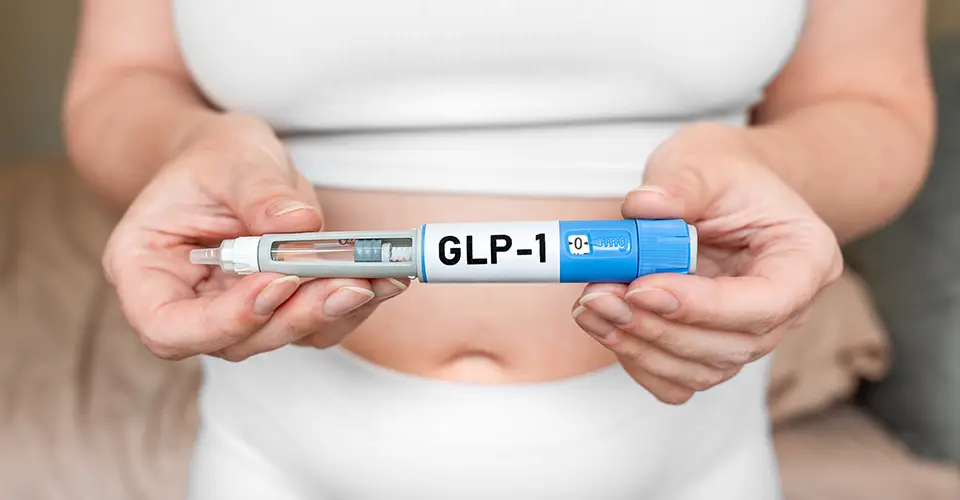

“Ozempic face” is an informal term for facial changes that may occur after significant weight loss, including reduced fullness, more noticeable lines, and looser-looking skin. It is not a medical diagnosis or a side effect unique to Ozempic. Similar changes can happen whenever someone loses a substantial amount of weight, especially when the change occurs quickly.
For people using semaglutide or another GLP-1 medication, changes in appearance are only one possible concern. Nausea, constipation, diarrhea, vomiting, and abdominal discomfort are among the documented GLP-1 side effects. Some symptoms may be manageable, while persistent or severe symptoms require guidance from a healthcare provider.
This is where medical supervision makes a meaningful difference. A qualified provider can assess your health history, determine whether treatment is appropriate, monitor how you respond, and adjust your plan when clinically necessary. This ongoing support helps separate expected changes from symptoms that may need closer attention.
Key Takeaways
- “Ozempic face” describes facial volume and skin changes associated with weight loss. It is not a formal medical condition.
- Facial changes are not exclusive to Ozempic and do not happen to everyone who takes a GLP-1 medication.
- Digestive symptoms are among the most common semaglutide side effects.
- Medical supervision helps patients monitor symptoms, receive individualized guidance, and recognize when additional care may be needed.
- Patients should never change their dose or stop a prescribed medication without first consulting their healthcare provider.
What Is Ozempic Face?
“Ozempic face” is a nonmedical term used to describe changes in facial appearance that some people notice after losing a significant amount of weight while taking Ozempic or another GLP-1 medication.
These changes may include:
- Less fullness in the cheeks or temples
- More noticeable facial lines and wrinkles
- A hollowed appearance around the eyes
- Looser-looking skin around the jaw or neck
- Changes in the overall shape or proportions of the face
The term can be misleading because it makes these changes sound like a reaction caused specifically by Ozempic. The more likely explanation is the loss of facial fat that can accompany overall weight loss. Similar changes may occur after losing weight through other medications, bariatric surgery, dietary changes, or health conditions.
Facial fat helps support the skin and contributes to the shape and fullness of the face. When some of that fat is lost, the skin may not immediately adjust to the face’s new contours. Existing lines can become more noticeable, and areas such as the cheeks or temples may appear less full.
Not everyone who takes semaglutide will experience these changes. The amount and pace of weight loss, age, genetics, skin elasticity, and natural facial structure can all influence how someone’s face responds.
It is also important to distinguish facial volume loss from the medically recognized semaglutide side effects discussed in prescribing information. “Ozempic face” is primarily an appearance-related description, while symptoms such as nausea, vomiting, diarrhea, constipation, and abdominal discomfort involve how the body responds to the medication.

Why Can Weight Loss Change the Appearance of Your Face?
Facial fat is part of overall body fat. When you lose weight, your body decides where that loss occurs, and it cannot be directed away from the face. For some people, reduced facial fat makes the cheeks, temples, or area beneath the eyes look less full.
How noticeable these changes become varies considerably
|
Factor |
Possible Effect |
Why It Varies |
|
Amount lost |
Less facial fullness |
Fat distribution differs |
|
Pace of loss |
Changes may appear sooner |
Skin needs time to adapt |
|
Age |
Less skin elasticity |
Collagen changes over time |
|
Genetics |
Different facial patterns |
Facial structure is individual |

Facial Fat Helps Support the Skin
Fat beneath the skin contributes to facial shape and volume. When that layer becomes thinner, existing lines may look deeper and the skin may appear looser around the cheeks, jaw, or neck.
This does not mean the medication is directly damaging the face. Rather, the appearance may reflect how the face has responded to overall weight loss.

Skin Elasticity Is Different for Everyone
Skin does not respond to weight loss in exactly the same way for every person. Age, genetics, sun exposure, smoking history, previous weight changes, and the amount of weight lost can all influence elasticity.
Although slower, medically guided weight loss may give the body more time to adjust, no particular pace can guarantee that facial changes will not occur.

Ozempic Face Is Not Exclusive to Ozempic
Despite the name, these changes are not limited to people taking Ozempic. Facial volume loss and loose-looking skin can occur after substantial weight loss caused by other GLP-1 medications, bariatric surgery, dietary changes, or other circumstances.
Using the term “Ozempic face” may make the change sound like a unique drug reaction. A more accurate description is facial volume loss associated with weight loss.
Contact New Health Kansas to discuss your health history, goals, and treatment options.
What Are the Most Common GLP-1 Side Effects?
GLP-1 medications affect appetite, digestion, and blood sugar regulation. Because they slow how quickly food moves through the stomach, many of their most common side effects involve the digestive system.
Understanding how semaglutide works for weight loss can make these effects easier to recognize and discuss with your care team.

Common Symptoms During Treatment
Commonly reported GLP-1 side effects include:
- Nausea
- Diarrhea
- Vomiting
- Constipation
- Abdominal pain or discomfort
- Bloating, indigestion, or reflux
- Headache
- Fatigue
Symptoms may be more noticeable when treatment begins or after a dose increase. However, patients should not assume that every new symptom is expected or harmless.

Symptoms to Discuss With Your Provider
Contact your provider if symptoms:
- Persist or continue to worsen
- Interfere with eating or drinking
- Make it difficult to complete normal activities
- Cause concern after a dose change
- Lead to dizziness, weakness, or reduced urination
Your provider can evaluate the symptoms and determine whether changes to your treatment or additional medical care are appropriate. Do not adjust your dose or stop taking a prescribed medication on your own.
Warning Signs That Need Prompt Medical Attention
Seek prompt medical guidance for warning signs such as:
- Severe or persistent abdominal pain, especially with vomiting
- Repeated vomiting or signs of significant dehydration
- Swelling of the face, lips, tongue, or throat
- Difficulty breathing or swallowing
- Sudden or significant vision changes
- Severe pain in the upper abdomen, fever, or yellowing of the skin or eyes
This is not a complete list of possible reactions. If a symptom feels severe, unusual, or rapidly worsening, contact a healthcare professional. Call 911 for symptoms that may be life-threatening.
How Medical Supervision Helps Manage GLP-1 Side Effects
Medical supervision does more than provide access to medication. It creates an ongoing process for evaluating your health, monitoring your response, and deciding whether the plan remains appropriate.
A physician-supervised medical weight loss program also gives patients a reliable place to ask questions instead of relying on social media or trying to manage symptoms alone.
It Starts With Your Health History
Before recommending treatment, a qualified provider should review your medical history, current medications, previous reactions, and relevant risk factors.
This evaluation helps determine whether a GLP-1 medication may be appropriate and whether closer monitoring is needed. It can also identify medications or health conditions that could affect treatment.
Your Treatment Plan Is Personalized
GLP-1 treatment is not one-size-fits-all. The appropriate medication, starting plan, and follow-up schedule depend on the individual.
Providers also consider how you respond over time. Two people taking the same medication may experience different appetite changes, side effects, and rates of weight loss.
Dose Changes Are Monitored Carefully
Semaglutide treatment typically involves gradual dose increases. This approach gives the body time to adjust and may help reduce gastrointestinal symptoms.
If side effects become difficult to tolerate, a provider can evaluate whether it is appropriate to delay an increase, modify the treatment plan, or explore another option. Patients should never make these changes without clinical guidance.
You Have Support When Symptoms Develop
Ongoing access to a care team is an important part of managing GLP-1 side effects. Regular check-ins give patients an opportunity to report nausea, constipation, vomiting, appetite changes, or other concerns before they become more disruptive.
A provider can help distinguish between a common treatment response and a symptom that may require additional evaluation.
Nutrition and Hydration Remain Part of the Plan
A reduced appetite can make it harder for some patients to eat balanced meals or drink enough fluids. Medical weight management should therefore include guidance on nutrition, hydration, and healthy habits, not medication alone.
Depending on the patient’s needs, the plan may address:
- Eating smaller, balanced meals
- Meeting individualized protein and nutrient needs
- Drinking enough fluids
- Maintaining appropriate physical activity
- Preserving strength and lean tissue during weight loss
These steps support overall health, but they do not guarantee that facial volume changes or medication side effects will be prevented.
Providers Know When the Plan Needs to Be Reassessed
Persistent or severe symptoms should not simply be accepted as the price of losing weight. A provider can evaluate whether the symptom may be related to the medication, another health condition, dehydration, or a different concern.
When clinically appropriate, the provider may reassess the dose, timing, medication, nutrition plan, or need for testing. That individualized response is one of the biggest differences between medically supervised treatment and obtaining medication without dependable follow-up care.
Can Ozempic Face Be Prevented?
There is no guaranteed way to prevent facial volume loss during weight loss. How the face changes depends on factors such as the amount of weight lost, natural fat distribution, age, genetics, and skin elasticity. However, a medically guided plan can support a more balanced approach to weight loss and overall health.
Taking more medication than prescribed or increasing a dose without guidance can increase the risk of side effects. Follow the schedule provided by your healthcare professional and discuss concerns before making changes.
Your provider can also help determine whether your rate of weight loss is appropriate for your health needs.
A reduced appetite can make it easy to eat too little or miss important nutrients. Work with your care team to develop an eating plan that includes sufficient protein, vitamins, minerals, and overall calories for your individual needs.
Adequate nutrition supports general health and lean tissue, but no particular food or supplement can guarantee that facial volume will be preserved.
Drinking enough fluids supports normal body function and may help the skin look less dry. However, hydration cannot replace lost facial fat or fully prevent loose skin.
Persistent vomiting, diarrhea, dizziness, or difficulty keeping fluids down should be reported to a healthcare provider.
Resistance exercise can help preserve strength and lean tissue during weight loss. Ask your provider what level and type of activity are appropriate for you, particularly if you have medical conditions or have not exercised recently.
Facial appearance may continue to change as weight stabilizes. Before assuming a change is permanent, allow time for your body to adjust and discuss any concerns with a qualified medical or aesthetic professional.
What If You Are Concerned About Facial Changes?
Concerns about changes in your appearance are valid and worth discussing with your provider. You do not need to wait until they become severe or begin affecting your confidence.
Start by speaking with the healthcare professional managing your weight-loss treatment. Your provider can review:
- How much weight you have lost and over what period
- Whether you are meeting your nutrition and hydration needs
- Any other symptoms occurring during treatment
- Whether your current treatment plan remains appropriate
- Whether another medical issue could be contributing to the change
Do not stop taking semaglutide or alter your dose solely because you notice changes in your face. Sudden treatment changes can affect your health and progress, so decisions about medication should be made with your prescriber.
If your weight has stabilized and the changes continue to bother you, you may also choose to consult a qualified aesthetic professional. Skincare, injectable treatments, energy-based procedures, or surgery may be discussed depending on the concern, but these options are not appropriate for everyone. Any cosmetic treatment should follow an individualized evaluation rather than a one-size-fits-all recommendation.

Questions to Ask Before Starting a GLP-1 Medication
Before beginning treatment, make sure you understand who will oversee your care and what support will be available if side effects develop.
Ask the provider:
- Who will evaluate whether a GLP-1 medication is appropriate for me?
- How will my medical history and current medications be reviewed?
- How will my dose and treatment response be monitored?
- Who can I contact if I experience side effects between appointments?
- Where will the medication come from, and which pharmacy will fill the prescription?
- Will I receive nutrition and lifestyle guidance alongside the medication?
- What symptoms should prompt me to contact the care team or seek urgent help?
These questions are especially important when considering an online program. Our guide to choosing a safe GLP-1 telehealth provider explains how to evaluate the provider, medical assessment, medication source, pharmacy, and follow-up care before treatment begins.
A reputable program should clearly explain how patients are evaluated and supported. Convenient access to medication should not replace appropriate medical care.
A Safer GLP-1 Experience Starts With Ongoing Medical Care
GLP-1 treatment involves more than receiving a prescription. Appropriate care includes reviewing your health history, selecting an individualized treatment plan, monitoring side effects, and making clinically appropriate adjustments based on how your body responds.
“Ozempic face” may be a visible concern, but it should be considered alongside your nutrition, hydration, symptoms, rate of weight loss, and overall health. Having a qualified care team gives you a reliable place to ask questions and address concerns before they become more difficult to manage.
New Health Kansas combines medical oversight, ongoing support, and personalized guidance to help eligible patients approach weight loss with a clearer plan. If you are considering a GLP-1 medication or need support managing GLP-1 side effects, contact New Health Kansas to discuss your health history, goals, and treatment options.
Frequently Asked Questions About Ozempic Face and GLP-1 Side Effects
Not necessarily, but there is no reliable timeline or guarantee that every facial change will disappear. Some changes may become less noticeable after weight stabilizes and the skin has time to adjust. The outcome depends on factors such as age, skin elasticity, facial structure, and the amount of facial fat lost.
No. Many people take semaglutide without developing noticeable facial changes. Individual responses depend on how much weight is lost, how quickly it occurs, natural fat distribution, age, genetics, and skin elasticity.
A medically appropriate pace may give the body more time to adjust, but slower weight loss cannot guarantee that facial volume loss will not occur. Your provider can help determine an appropriate treatment plan based on your health, response, and weight-management goals.
Contact your provider if symptoms persist, worsen, interfere with eating or drinking, or make normal activities difficult. Severe abdominal pain, repeated vomiting, significant dehydration, facial or throat swelling, difficulty breathing, or sudden vision changes require prompt medical attention.
Yes, a provider can evaluate your symptoms and determine whether the treatment plan should be modified. Depending on the situation, that may involve reassessing the dose, delaying an increase, addressing nutrition or hydration, ordering additional evaluation, or considering another treatment. Do not change your dose or stop medication without consulting your prescriber.
Medical Disclaimer
This article is for educational purposes only and does not replace individualized medical advice, diagnosis, or treatment. GLP-1 medications are prescription treatments with potential risks and benefits. Always consult a qualified healthcare professional before starting, stopping, or changing a medication. Seek immediate medical care for symptoms that may be severe or life-threatening.
Sources
- U.S. Food and Drug Administration. Ozempic Prescribing Information.
- U.S. Food and Drug Administration. Wegovy Prescribing Information.
- Cleveland Clinic. What Is “Ozempic Face” and How To Prevent It.
- Cleveland Clinic. Semaglutide Injection: Uses and Side Effects.
- American Society of Plastic Surgeons. Implications of Ozempic and Other Semaglutide Medications for Facial Plastic Surgery.